
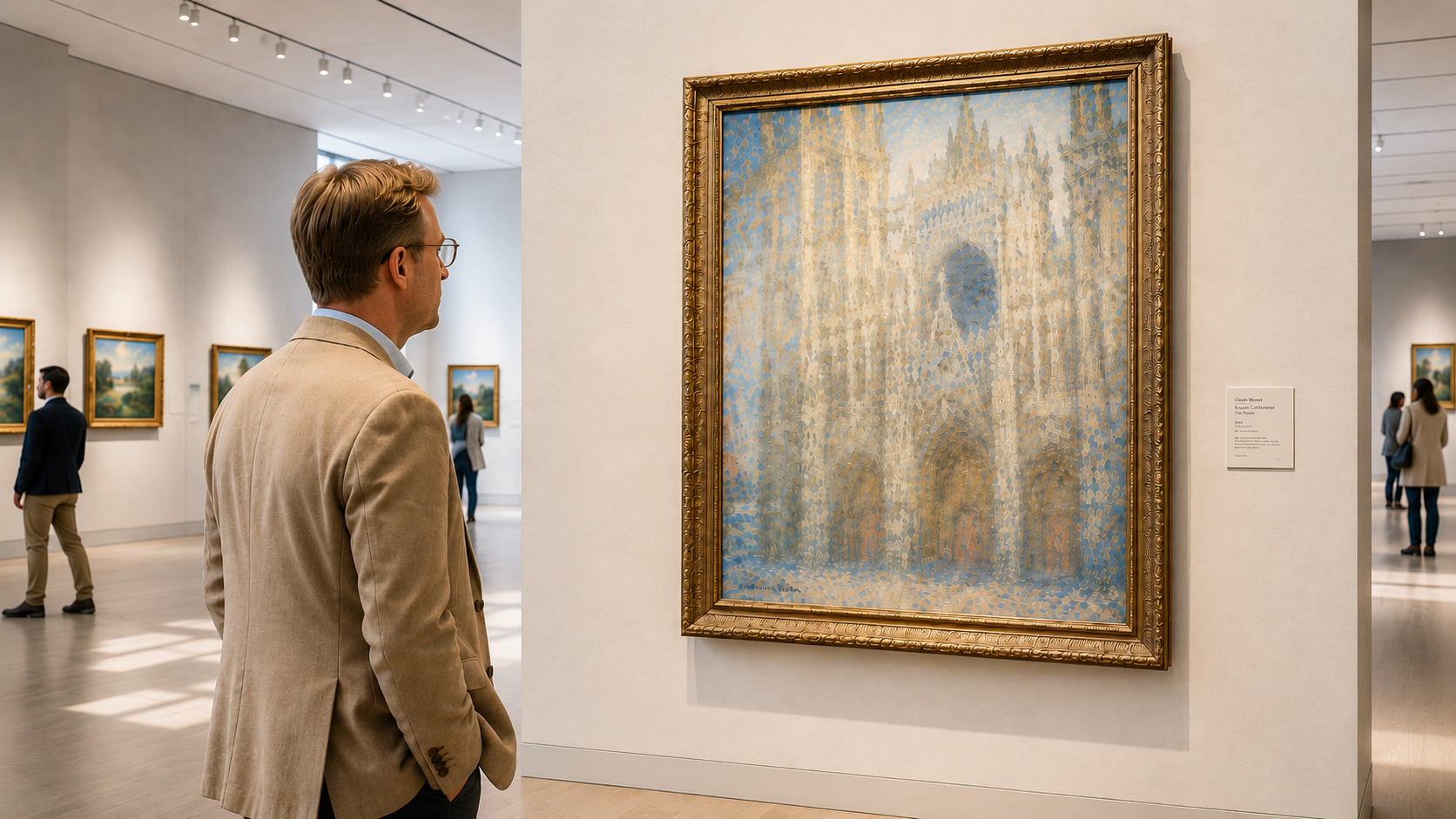
PEOPLE DON’T
JUST SEARCH.
THEY EXPLORE.
VISUAL SEARCH STRATEGY,
BUILT FOR MODERN DISCOVERY.

Discovery happens
Before Search Begins.
The path to becoming a customer rarely starts with a Google search anymore.
People gather ideas on Pinterest, watch videos on YouTube, browse Google Images, save inspiration, compare options, and ask questions of AI-powered tools.
They’re learning, researching, and forming opinions long before they’re ready to make a decision.
The businesses that consistently appear during that process earn something valuable: familiarity.
And when the time comes to choose, familiar often feels safer than unfamiliar
VISIBILITY STARTS BEFORE
SOMEONE NEEDS YOU.
Most businesses focus on the moment a customer is ready to buy.
But by then, many decisions have already started taking shape.
People collect ideas, save inspiration, compare options, and slowly narrow their choices over time. They’re not looking for a vendor yet. They’re figuring out what they like, what they trust, and what feels right.
Showing up during that process helps your business become part of the conversation before you’re competing head-to-head with everyone else.
That’s a very different position to be in.
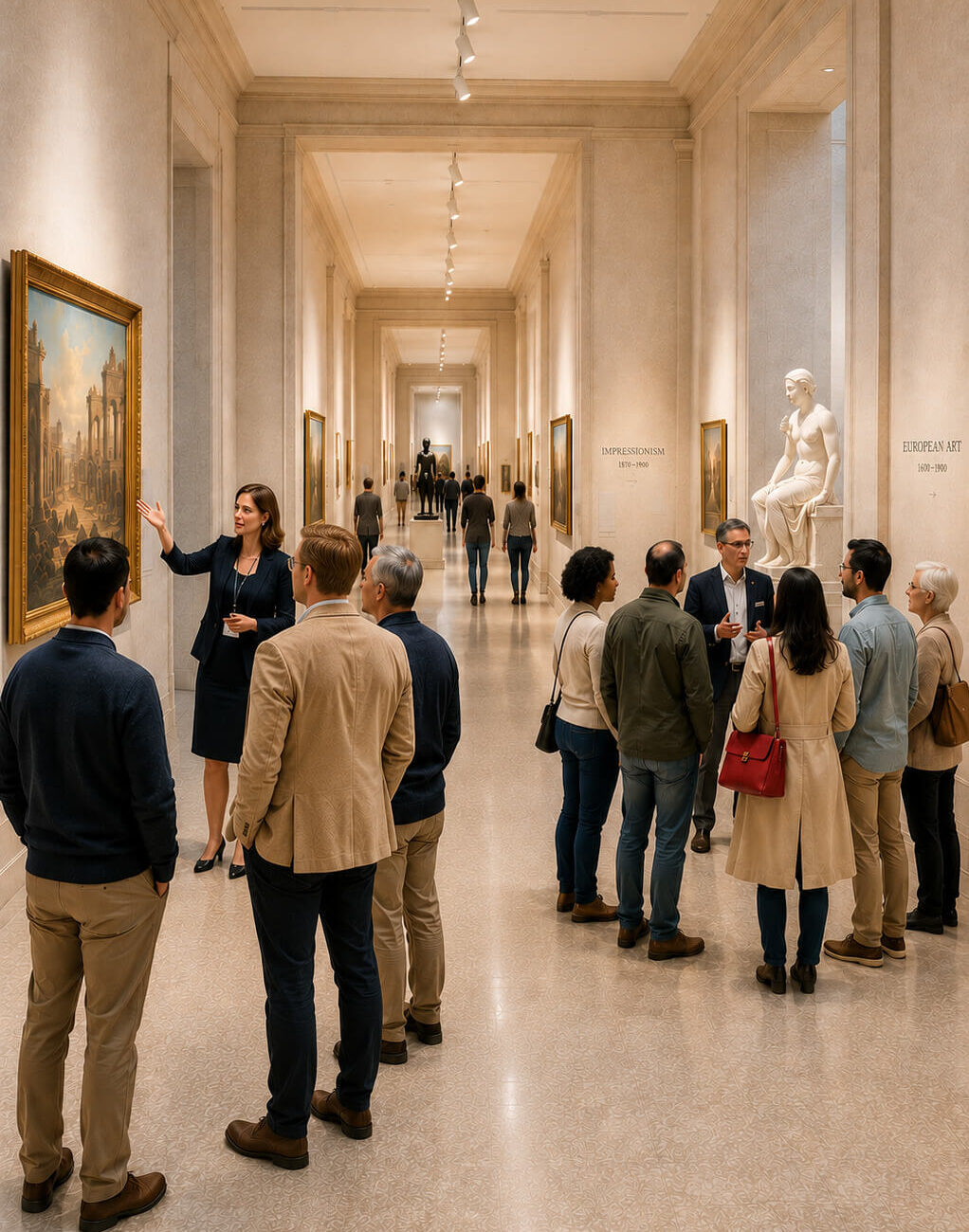

Build More Paths Back
to Your Business.
Relying on a single source of traffic puts your business at risk.
Search engines are evolving. AI-generated summaries, featured snippets, and instant answers often give people the information they need without requiring a click.
That doesn’t make your website less important. It makes it more important to create multiple ways for people to discover your business. Visual platforms help create those additional doors.
A Pinterest pin can continue driving traffic for years. A YouTube video can keep appearing in search results long after it’s published. Well-structured visual content creates more opportunities for people to encounter your expertise and find their way back to your website.
Visual search doesn’t replace SEO.
It strengthens the foundation you’re already building.
Strategy Before Activity.
Most businesses don’t need more content. They need more purpose behind the content they’re already creating.
We start by understanding how your audience discovers businesses like yours and where visual content influences their decisions.
Then we build a strategy that helps your content support broader visibility goals across search, visual platforms, and your website.
The focus isn’t on posting more.
It’s on creating content that continues working long after it’s published.

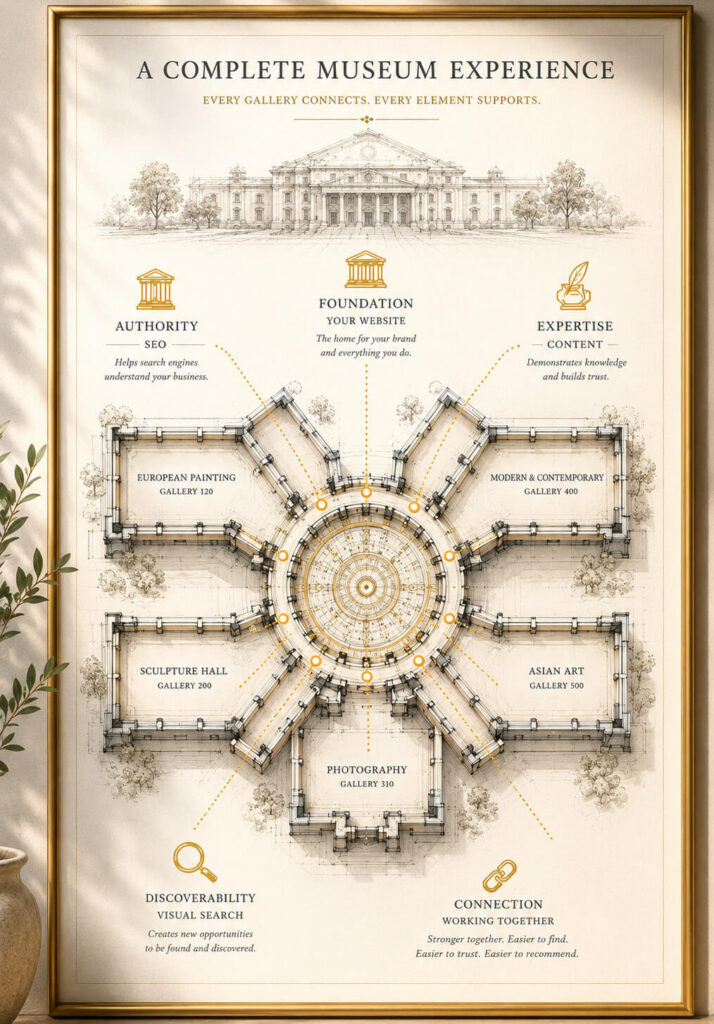
PART OF A BIGGER
VISIBILITY SYSTEM.
It works best when it’s connected to everything else you’re doing.
Your website provides the foundation. SEO helps search engines understand your business. Content demonstrates expertise. Visual search creates additional opportunities for people to encounter your brand before they’re ready to make a decision.
Together, these efforts make your business easier to understand, easier to trust, and easier to recommend.
That’s true for people, and it’s becoming increasingly important for AI-driven search as well.
Who IS This For?
Our visual search services are a strong fit for businesses that:
- create educational, helpful, or visually driven content
- want to diversify their traffic sources
- understand that discovery behavior is changing
- value long-term visibility over short-term spikes
- prefer content that keeps delivering value long after it’s created
If you’re looking for a quick visibility shortcut, this probably isn’t the right fit.
If you’re looking to create more opportunities for customers to find, trust, and choose your business, we should talk.

Ready to Show Up Before
the Competition Does?
If your visibility strategy depends entirely on traditional search, you’re likely missing opportunities to connect with potential customers much earlier in their decision-making process.
Let’s explore how visual search can strengthen your broader marketing strategy and create more pathways back to your business.