
Most businesses discover Canva for the same reason: they need graphics, and they need them quickly.
Whether you’re creating social media posts, blog graphics, presentations, lead magnets, or promotional materials, Canva makes it possible to produce professional-looking designs without specialized design software or years of graphic design experience. One of the platform’s biggest advantages is its extensive template library, which allows users to start with a professionally designed layout rather than a blank page.
For many businesses, that’s where the conversation ends. Templates are viewed as a shortcut that saves time and makes design easier.
In reality, the most valuable thing Canva templates provide has very little to do with design.
The real value is consistency.
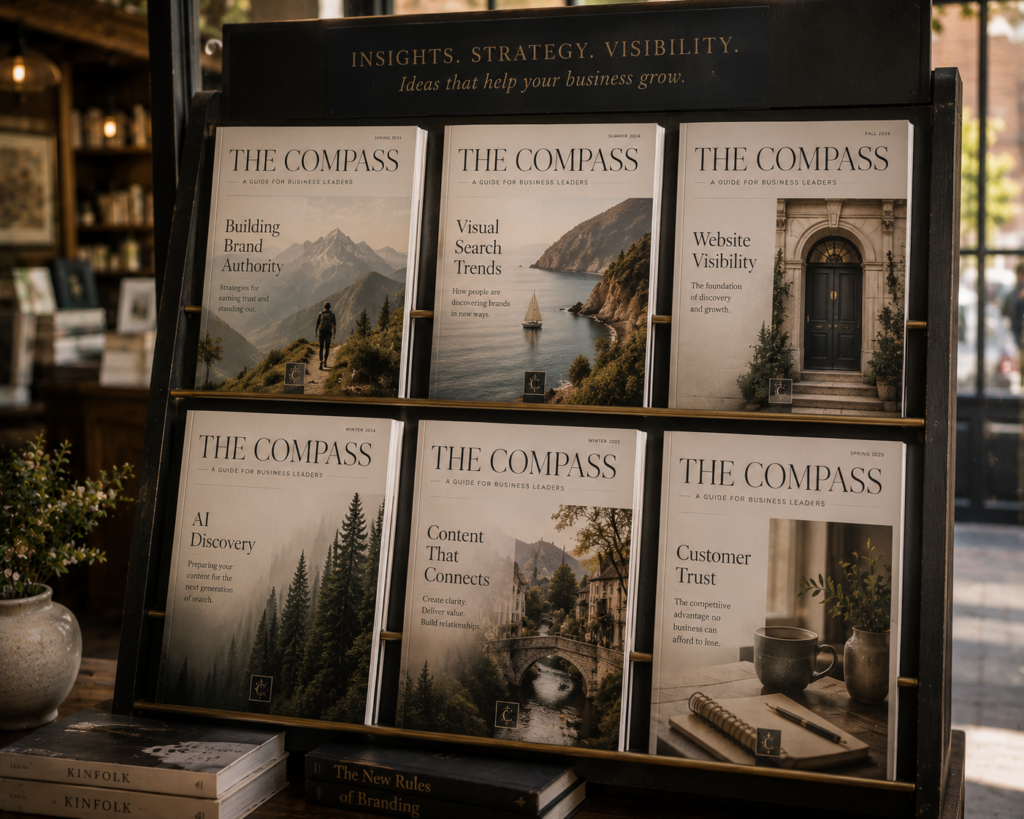
What Are Canva Templates?
Canva templates are pre-built design layouts that can be customized to fit your specific needs. Instead of starting from scratch, users select a template and replace the placeholder content with their own text, images, colors, and branding elements.
Templates are available for virtually every type of marketing asset, including social media graphics, presentations, blog graphics, infographics, flyers, email headers, ebooks, and sales materials. Because the layouts have already been designed, businesses can spend less time worrying about spacing, typography, and design principles and more time focusing on their message.
Using a template is relatively simple. After selecting a design, users can modify the fonts, replace photos, update colors, add logos, and adjust the layout to align with their brand. Canva’s drag-and-drop interface makes these changes accessible even for people with no formal design background.
The ease of use is certainly appealing, but it’s not what makes templates powerful.
Most Businesses Don’t Have a Design Problem
When businesses evaluate their marketing, they often assume they have a design problem.
The graphics don’t feel polished enough. The social media posts don’t look professional enough. The website doesn’t have the visual impact they want.
While design can certainly be a factor, what we see far more often is a consistency problem.
One social media graphic uses one font while the next uses another. Colors change from platform to platform. Logos appear in different formats. Photography styles vary wildly. Marketing materials created six months apart look like they came from completely different companies.
Individually, none of these decisions seem significant. Collectively, they create a fragmented brand experience.
Customers may not consciously identify why something feels off, but they notice the inconsistency. Every time a visual element changes unnecessarily, it weakens the familiarity and recognition that strong brands work so hard to build.
Why Consistency Matters More Than Ever
Today’s customers rarely interact with a business in a single location.
Someone may discover your company through a Google search, visit your website, encounter your social media content a few days later, subscribe to your email list, and eventually receive a proposal or sales presentation.
Every one of those touchpoints contributes to their perception of your brand.
When the visual experience feels cohesive, the business appears more established and trustworthy. When every interaction feels disconnected, the opposite happens.
This is one reason the world’s most recognizable brands invest so heavily in brand standards. Their colors, typography, imagery, and messaging remain remarkably consistent regardless of where you encounter them.
Consistency is not about making everything identical. It’s about making everything feel connected.
Templates Create Systems, Not Just Graphics
The strongest businesses eventually stop thinking about marketing as a series of individual projects.
Instead, they begin building systems.
A well-designed template library is one example of that approach. Rather than creating every social media graphic from scratch, businesses can establish reusable layouts that maintain visual consistency while still allowing flexibility. The same principle can be applied to blog graphics, presentations, lead magnets, case studies, email marketing assets, and sales materials.
This approach reduces decision fatigue, improves efficiency, and creates a more recognizable brand experience over time.
The result is not simply faster content creation. It’s a marketing operation that becomes easier to scale because the foundational decisions have already been made.
Where Canva AI Fits Into the Picture
As Canva continues expanding its AI-powered capabilities, content creation is becoming even faster. Businesses can now generate layouts, graphics, images, and copy suggestions in a fraction of the time previously required.
That’s exciting, but it also creates a new challenge.
AI can accelerate production, but it doesn’t automatically create consistency.
Without clear brand standards, AI-generated content can quickly become a collection of disconnected ideas and visual styles. One graphic may feel modern and minimalist while the next feels playful or corporate. The content may look good individually while still failing to strengthen the brand as a whole.
This is where templates become even more valuable. They provide structure and guardrails that help businesses maintain a recognizable identity while taking advantage of AI-powered tools.
Recognition Is Built Through Repetition
The businesses people remember are rarely the businesses creating the most content.
More often, they’re the businesses creating the most consistent content.
Customers begin to recognize recurring visual patterns, familiar colors, trusted messaging, and a consistent voice. Over time, those repeated experiences create familiarity. Familiarity creates trust, and trust influences purchasing decisions.
Canva templates are ultimately a tool that supports that process. While they certainly make design easier, their greatest value lies in helping businesses create a cohesive brand experience across every platform where they appear.
When used strategically, templates stop being a design shortcut and become part of a larger system that makes a business easier to recognize, easier to remember, and easier to trust.